HKUST(GZ) | Humanoid Robotics | Embodied AI

Humanoid Computing Lab

We study humanoid computing systems that connect robot bodies, world models, perception, control, and brain-inspired intelligence.

Director Prof. Renjing Xu
Openings PhD, postdoc, visitors

Building generalizable humanoid intelligence from hardware to cognition.

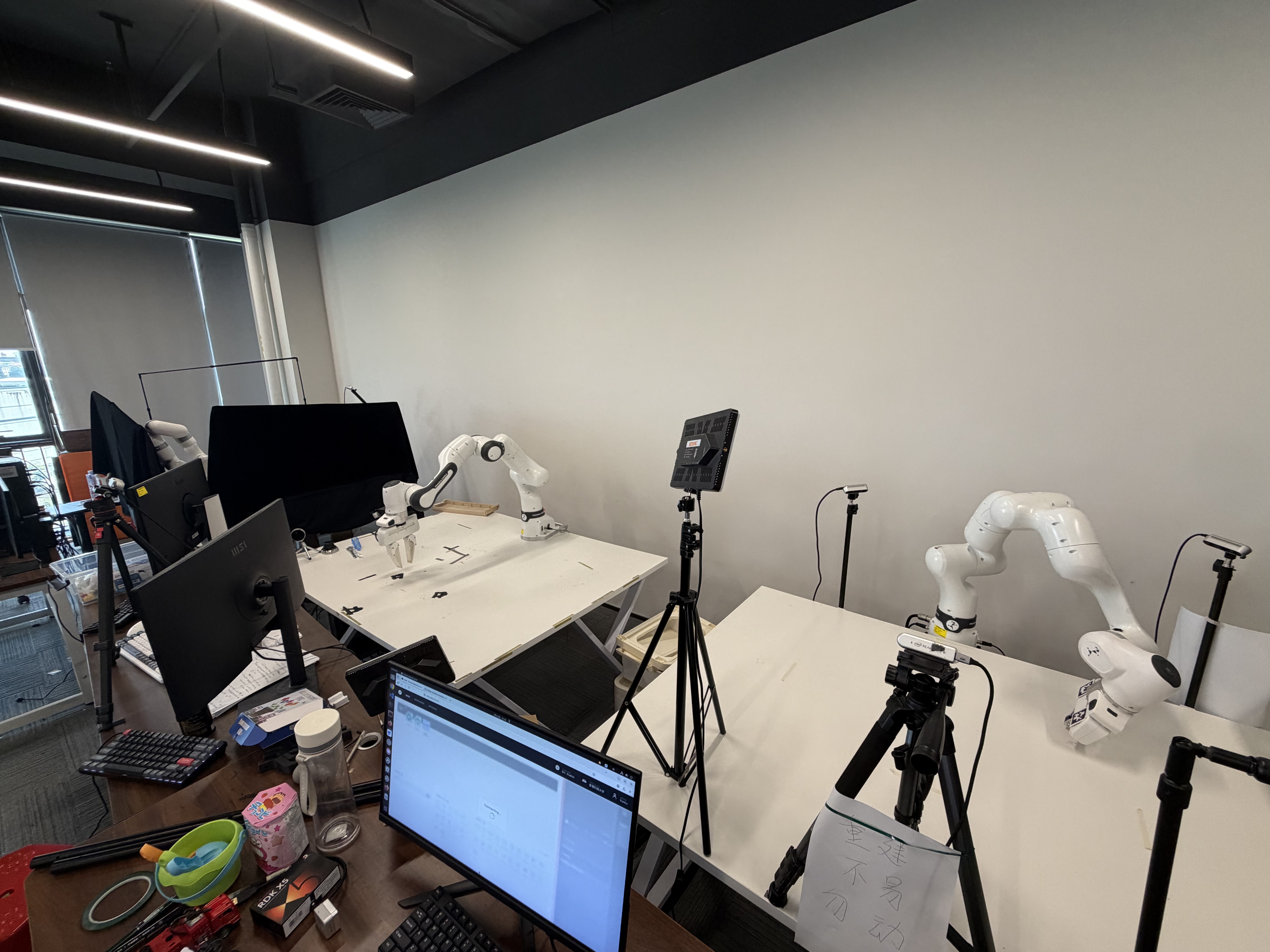
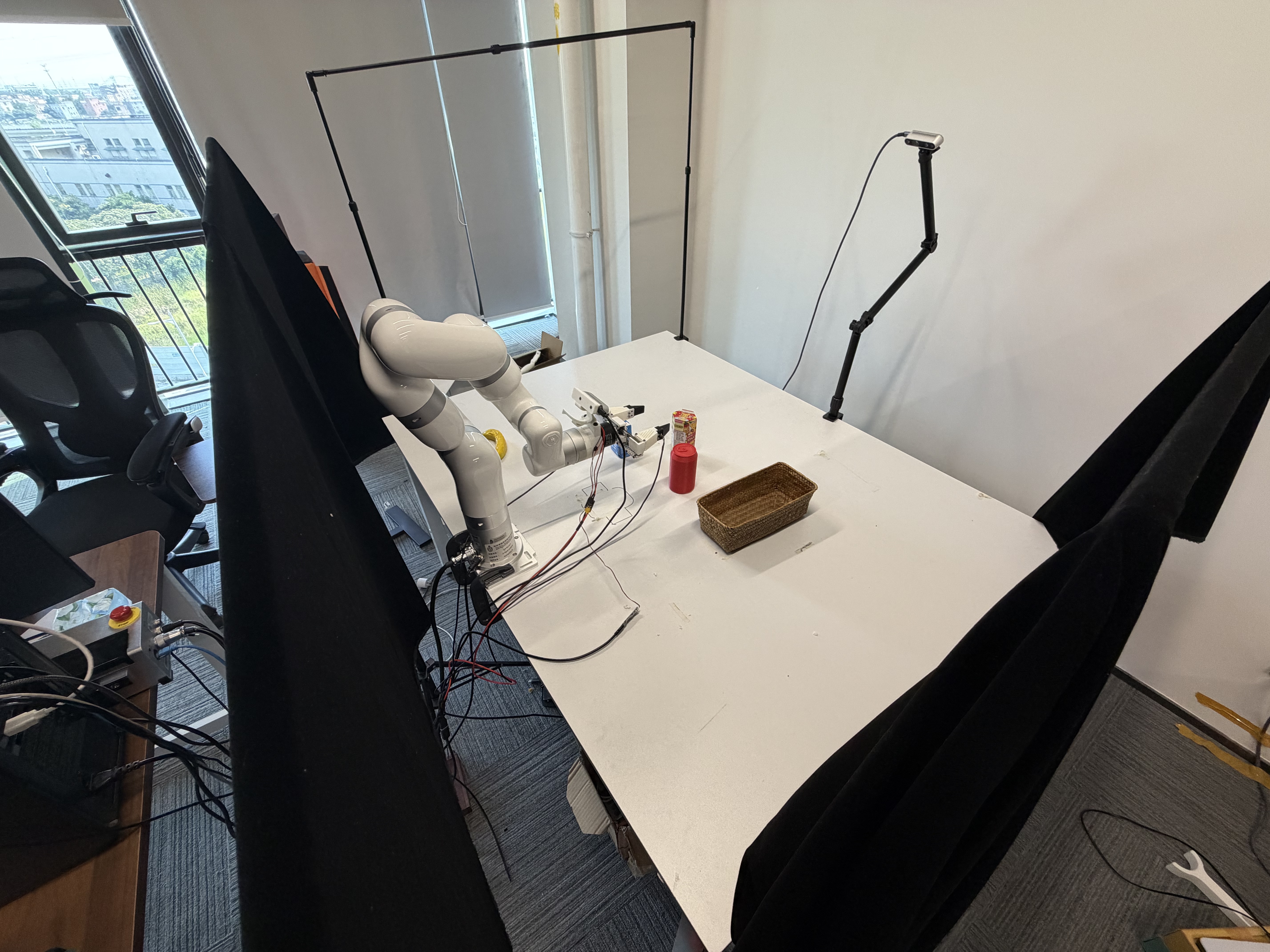
HCL explores how intelligent agents can sense, predict, move, and adapt in the physical world. The lab combines humanoid robotics, embodied AI, world models, learning-based control, and brain-inspired computing to pursue systems with human-level efficiency and adaptability.

Four connected research lines

01

Humanoid Robotics

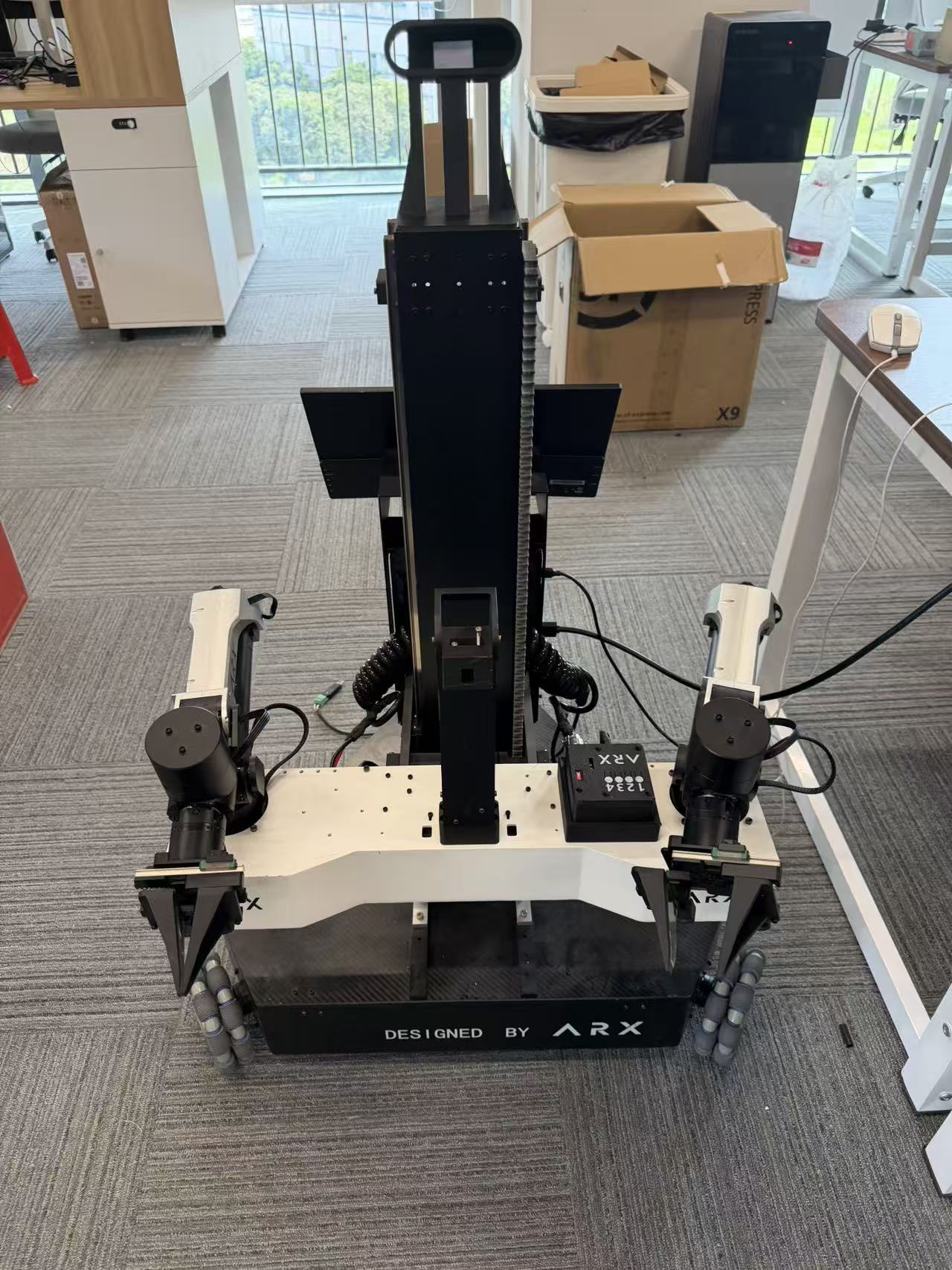
Whole-body control, locomotion, manipulation, teleoperation, and robot platforms that make physical intelligence measurable.

02

World Models

Predictive models that connect perception, physics, memory, planning, and long-horizon behavior in embodied agents.

03

Embodied Perception

Multimodal sensing, panoramic perception, tactile feedback, and geometry-aware representations for robots in open environments.

04

Brain-inspired Computing

Algorithms, devices, and efficient computing principles inspired by biological intelligence and adaptive behavior.

Hardware-grounded, model-driven, and publication-ready.

We value complete research loops: build the robot or simulator, design the model, run the evaluation, and communicate the insight clearly.

Robot learning Physical simulation Embodied foundation models Efficient intelligence

Latest 20 publications from Google Scholar

2026 RoboDojo: A Unified Sim-and-Real Benchmark for Comprehensive Evaluation of Generalist Robot Manipulation Policies 2026 PL-LIT: A LiDAR-Inertial-Thermal SLAM Using Point-Line Features and Thermographic Mapping 2026 Not All Actions Are Equal: Rethinking Conditioning for Dexterous World Model 2026 A Neuromorphic Reinforcement Learning Framework for Efficient Pathfinding in Robotic Mobile Fulfillment Systems 2026 HumanoidArena: Benchmarking Egocentric Hierarchical Whole-body Learning 2026 Action-Effect Memory Pretraining for Robot Manipulation 2026 VAIC: Vision-Guided Humanoid Agile Object Interaction Control via Decoupled Commands 2026 CoRe-MoE: Contrastive Reweighted Mixture of Experts for Multi-Terrain Humanoid Locomotion with Gait Adaptation 2026 GPU-Parallel Multi-Task Reinforcement Learning with Demonstration Guided Policy Optimization 2026 SeClaw: Spec-Driven Security Task Synthesis for Evaluating Autonomous Agents 2026 Dynamic Token Masking in Spiking Neural Network: Y. Fang et al. 2026 Tabero: Learning Gentle Manipulation with Closed-Loop Force Feedback from Vision, Touch, and Language 2026 ParkourFormer: Integrating Predictive Supervision and Sequence Modeling into Parkour Locomotion 2026 MoSA: Motion-constrained Stress Adaptation for Mitigating Real-to-Sim Gap in Continuum Dynamics via Learning Residual Anisotropy 2026 OHP-RL: Online Human Preference as Guidance in Reinforcement Learning for Robot Manipulation 2026 What Limits Vision-and-Language Navigation? 2026 Sparse transmission in diffractive deep neural networks via optical spiking neurons 2026 RobotPan: A 360 Surround-View Robotic Vision System for Embodied Perception 2026 Beyond Viewpoint Generalization: What Multi-View Demonstrations Offer and How to Synthesize Them for Robot Manipulation? 2026 Morphology-Consistent Humanoid Interaction through Robot-Centric Video Synthesis

Latest news from HCL

World Champion

RoboCup 2026 World Champions

Team Apollo3D won first place in the RoboCupSoccer Simulation League 3D competition at RoboCup 2026 in Incheon, Korea.
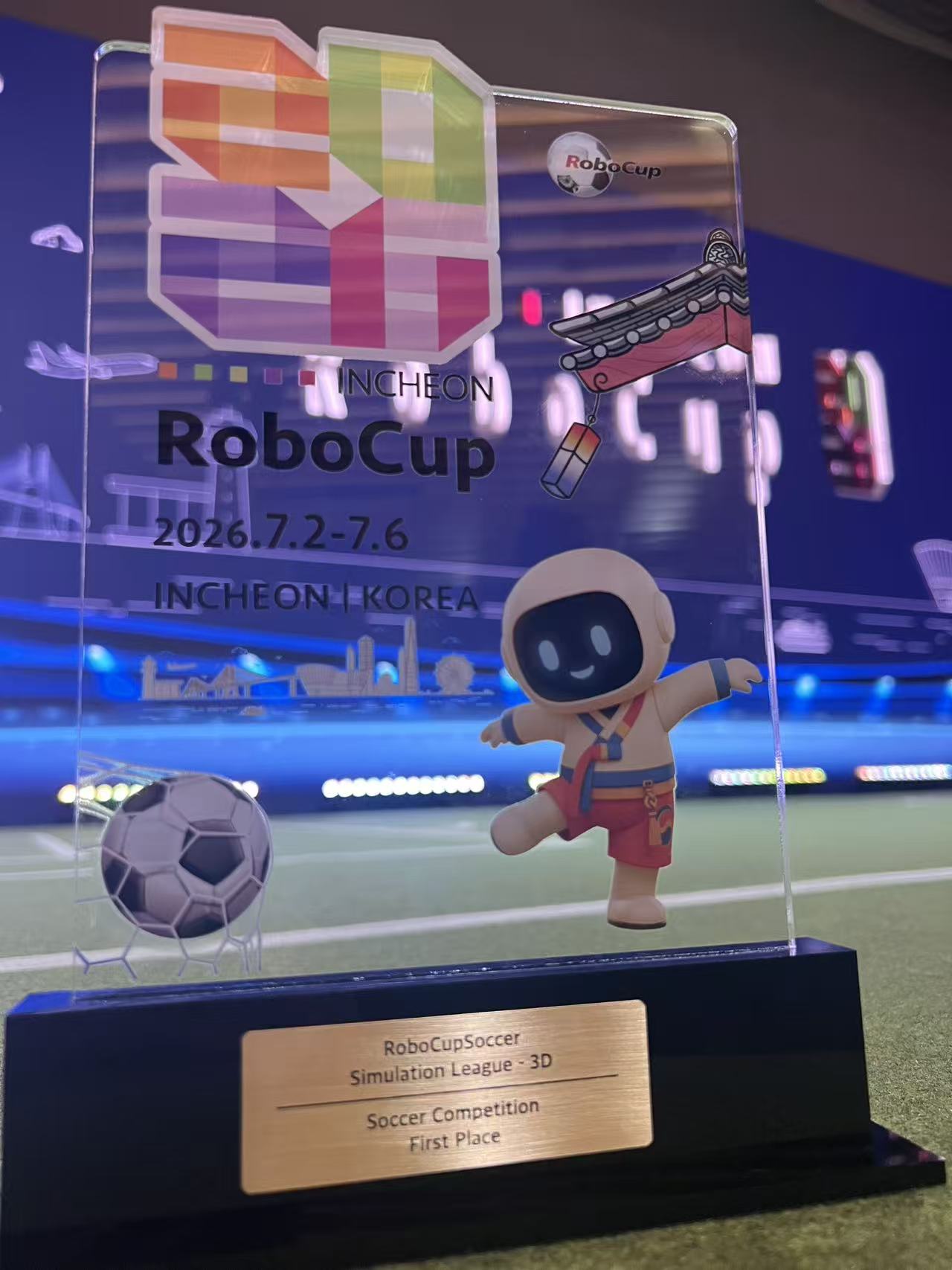
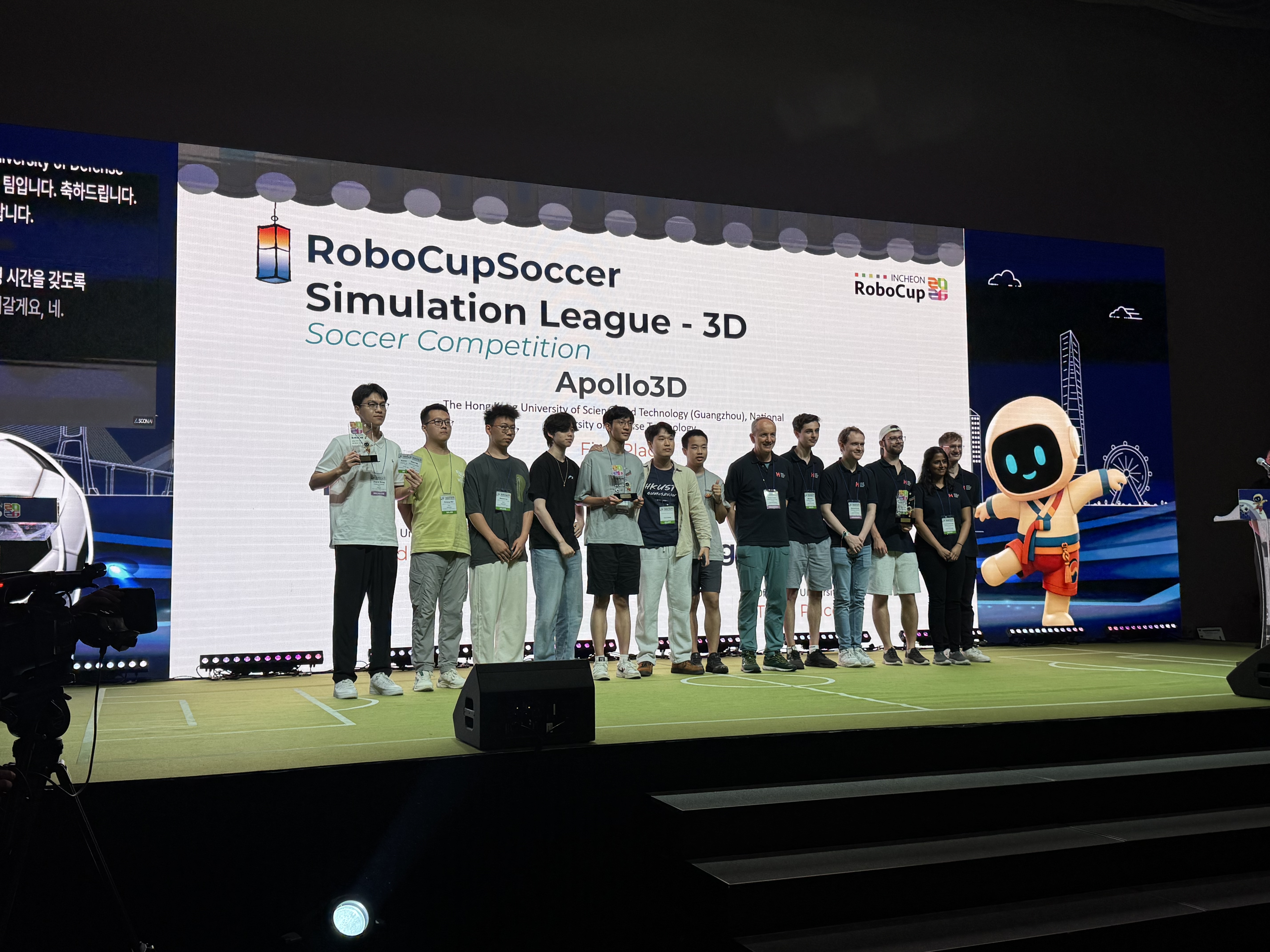
RoboCup 2026 first-place trophy Apollo3D team at the RoboCup 2026 award ceremony
Award

First Place at the ICRA 2026 WBCD Competition

Team MilkDragon won first place in the Deformable Track (Vienna) of What Bimanuals Can Do (WBCD) at ICRA 2026.
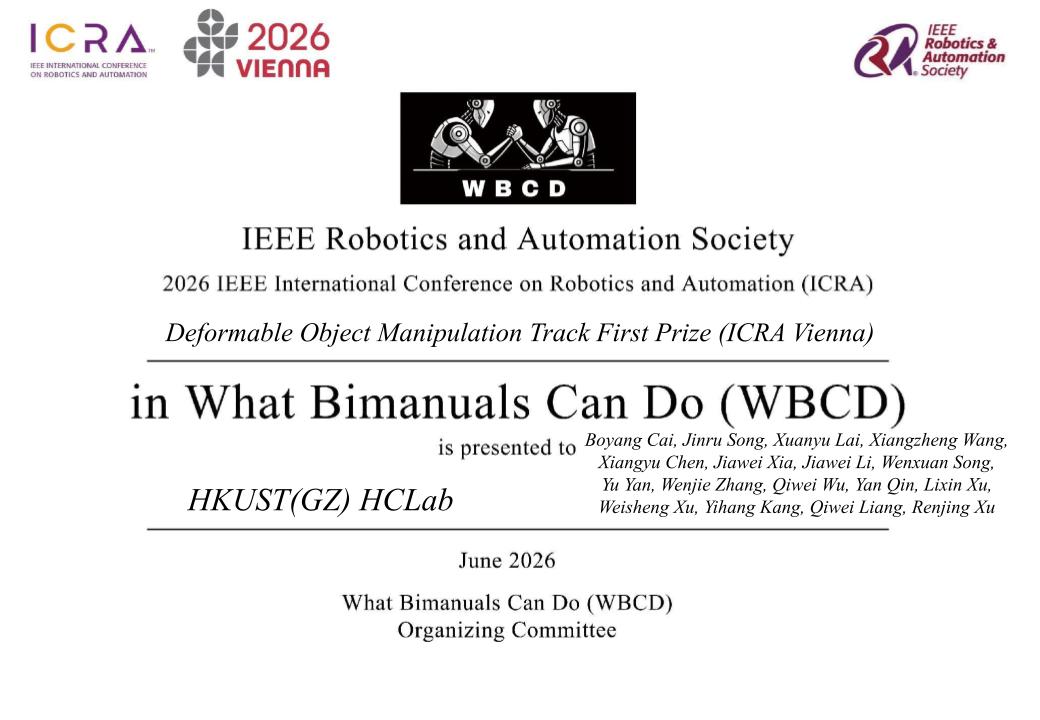
ICRA 2026 WBCD first-place certificate